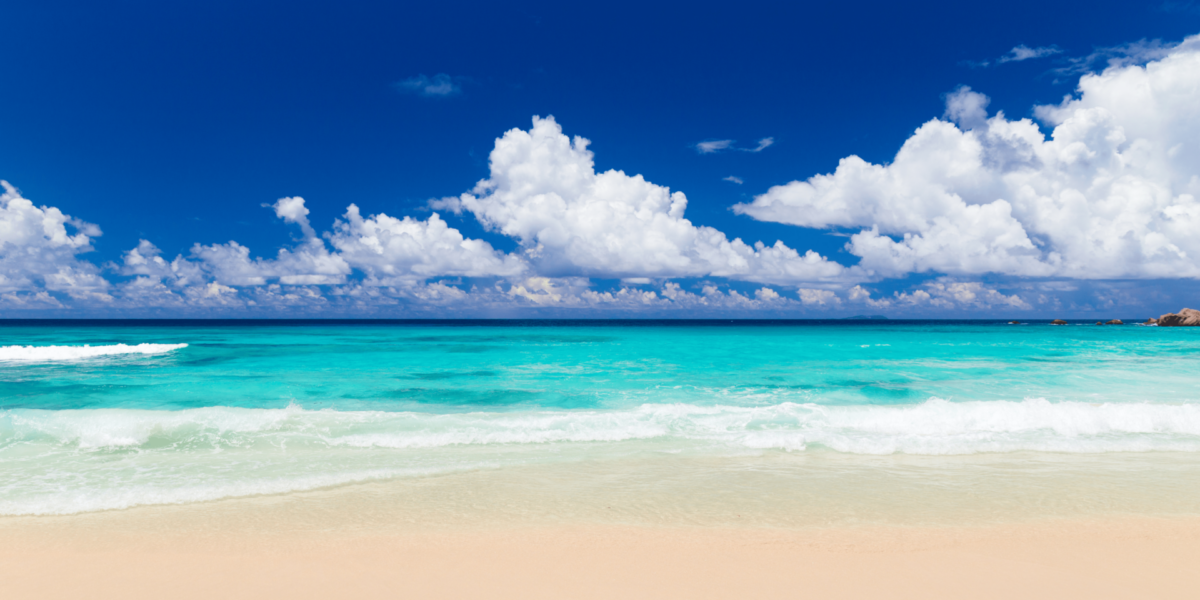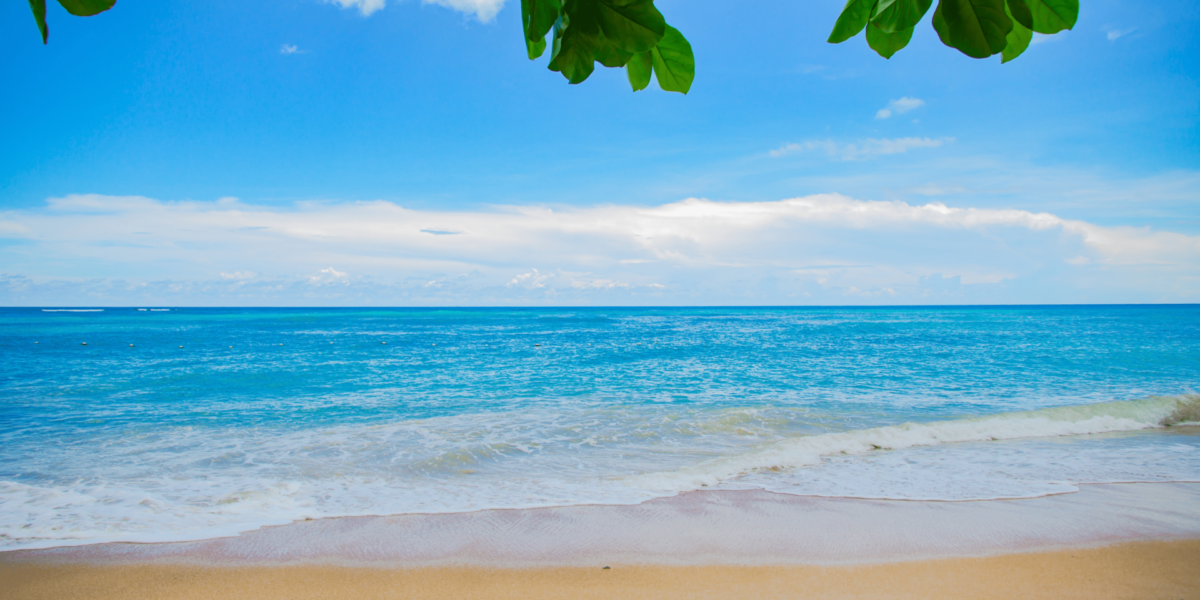
When the tide pulls away from the beach, it leaves behind a temporary world known as the low shore. This exposed zone between high and low tide reveals patterns, textures, and signs of life often hidden under water. At Pamela Beach, reading the low shore means observing more than just sand—it means tracking movement, studying surface clues, and understanding how the sea leaves its mark.
The low shore reveals a dynamic coastal timeline
The area beneath the high tide line shifts constantly. As the tide recedes, it exposes ridges, channels, and pools shaped by water flow. These features show the movement of the ocean over hours, not days. Each retreat of the sea leaves behind new traces that tell the story of its recent path.
Walking across Pamela Beach just after the tide has gone out, a person might notice curved lines etched into the sand. These shallow grooves aren’t random—they follow the pull of the water. The spacing, depth, and direction of these lines reveal how fast the tide fell and which way it flowed.
Ripple marks indicate water speed and wind direction
Ripple marks form when moving water flows across loose sand. On the low shore, they stretch in repeating rows that reflect the strength and direction of the current. Smooth, even ripples suggest gentle water. Sharp, narrow ones point to stronger motion. Their orientation can also show how wind interacted with the surface during the tide’s retreat.
Near the edges of shallow tide pools, the ripple pattern may shift. The change in direction highlights where wind pushed water differently than the tide alone. Observing these marks gives insight into how multiple forces shaped the beach over a short period.
Exposed sandbars signal tidal range and water retreat
As the tide lowers, sandbars appear just above the waterline. These raised areas form in zones of slower current and sediment buildup. Their placement shows where energy dropped enough for sand to settle. Watching where they form and how long they stay visible helps explain the tide’s strength and the beach’s structure.
A person standing at the end of a newly exposed bar might look back toward shore and trace the water’s route. The space between the bar and dry land holds pools, channels, and soft flats. Each of these features depends on how far and how fast the water has moved.
Tidal pools preserve micro-landscapes from deeper water
Tide pools remain after the tide drops, often tucked into dips or rock-lined hollows. These pools preserve parts of the underwater world, offering a clear view of organisms that usually remain hidden. They also act as markers of the beach’s topography, showing which areas hold water longest.
At Pamela Beach, pools may hold seaweed, shells, or small crabs. Their location helps identify the slope of the shore. A deeper pool that stays filled well after the tide has fallen indicates a natural depression. Its still surface reflects the sky, but below, it holds traces of the sea’s passing.
Drift lines record the high point of the last tide
A drift line marks the outer edge of the tide’s reach. It forms where floating materials—like seaweed, foam, or small debris—settle as the water retreats. This line often curves gently along the beach, tracing the tide’s final boundary before it turned.
Following the drift line reveals more than height. Its contents also provide clues about wave action. A thick, dense line means heavy waves pushed material far up the beach. A thin or broken line means calmer conditions. Studying this area gives clear insight into the strength of the tide during its highest point.
Shell placement shows wave energy and sediment behavior
Scattered shells across the low shore don’t just appear randomly. Their orientation and grouping reflect how water carried and dropped them. Whole shells placed face-down in neat clusters often come from gentle waves. Broken fragments spread over wide areas indicate stronger force or shifting sediment.
A person moving slowly along the mid-tide zone can observe how certain shells point in the same direction. This uniform placement suggests directional flow. These patterns build a visible history of how waves moved across the sand during the previous tide cycle.
Animal tracks and burrows hint at hidden movement
After the water recedes, the low shore becomes a stage for wildlife. Small holes, surface trails, and feeding marks appear across the wet sand. These traces show where animals moved, rested, or fed while the water covered the area. Even when the animals are no longer present, the marks remain for a short time.
Near the base of a sandbar, someone might spot small, symmetrical holes. These are signs of burrowing crustaceans. Faint tracks moving between pools suggest recent movement of birds or small marine life. Reading these signs provides a sense of the living processes just beneath the surface.
Surface moisture reveals time since exposure
Not all of the low shore dries at the same rate. Freshly exposed sand remains darker and cooler. As time passes, it lightens and firms up. Observing the gradient between wet and dry zones helps estimate how long each section has been uncovered.
A beachgoer watching the edge of a tide pool can note where the surface begins to dry and crack. That boundary shows where the water last flowed. By tracking these changes, one can read the timeline of retreat—from sea to shore to sky.
Learning the beach through repeated observation
The low shore is not fixed. It changes with every tide, every shift in wind, and every variation in swell. But with steady observation, patterns emerge. Certain areas collect water more often. Some channels deepen over time. These details build knowledge of how Pamela Beach behaves across days and seasons.
Someone who returns each morning after the tide might start to recognize familiar features—ripples in the same curve, pools in the same spot. These patterns deepen connection, not through guesswork, but through careful, quiet reading of the coast’s changing language.