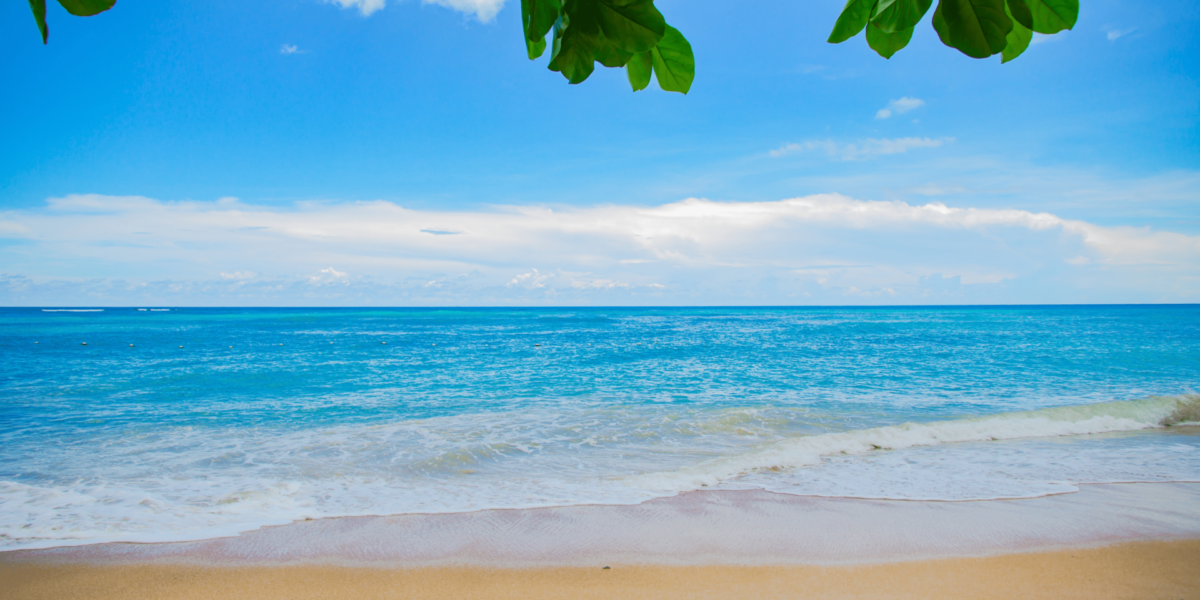
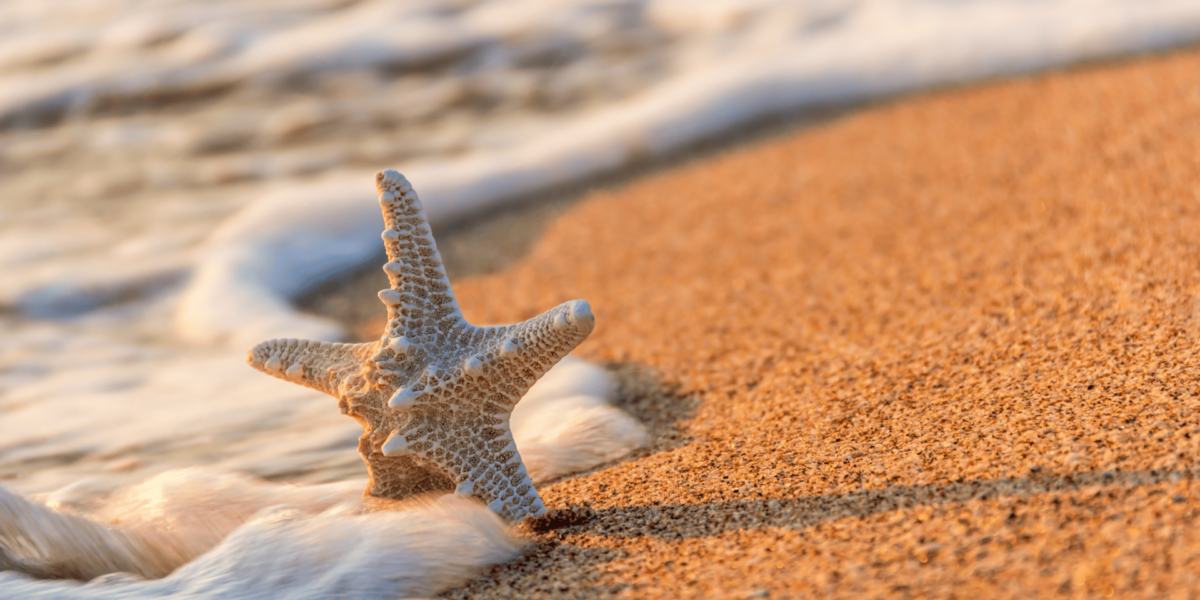
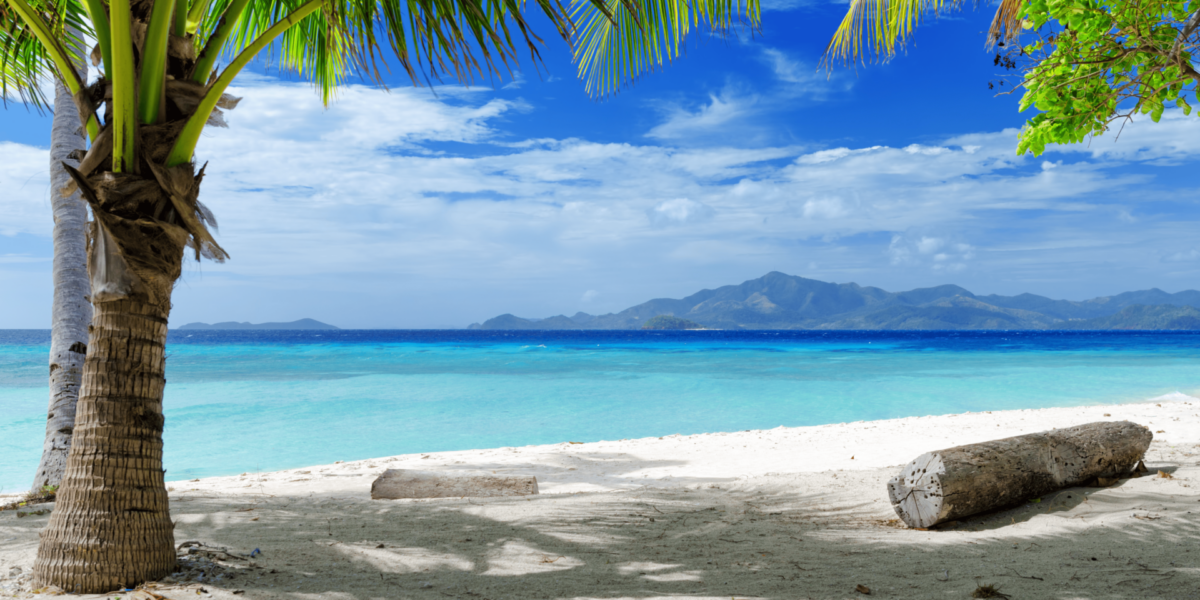
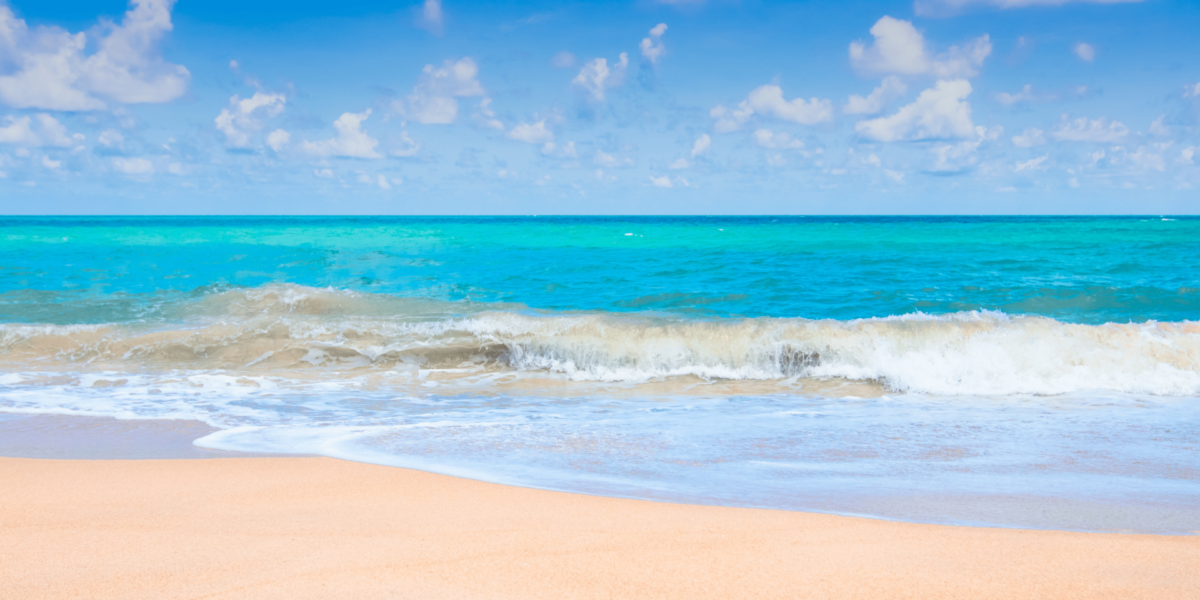
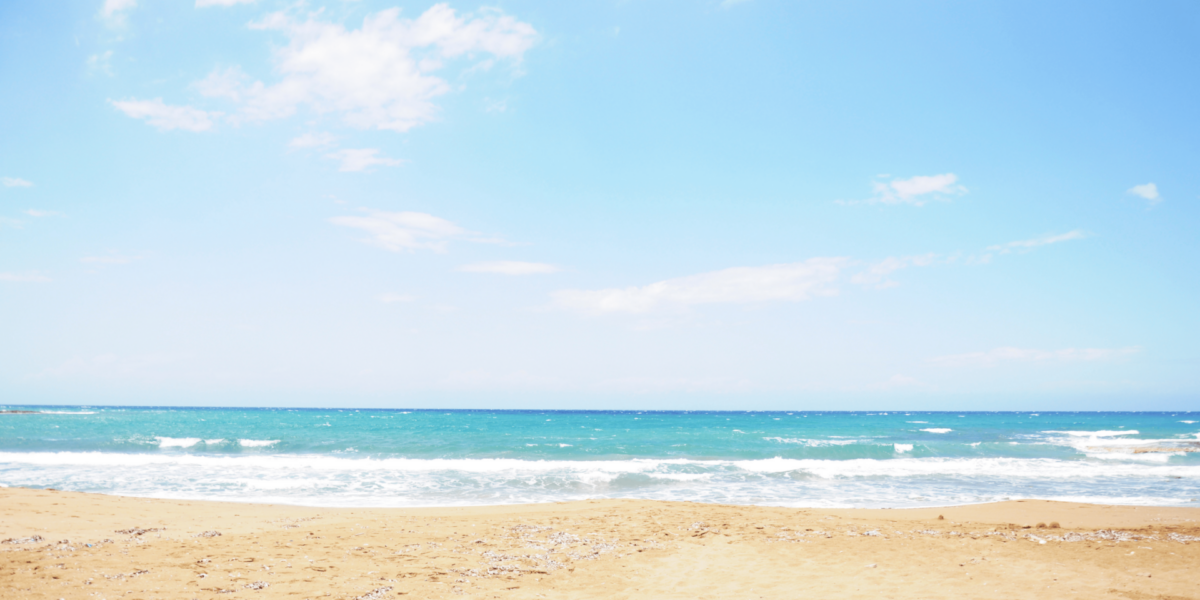
As the tide recedes from Pamela Beach, it leaves behind a smooth, wet canvas of sand. This surface isn’t blank—it holds the record of everything the sea has touched. Each ripple, mark, and impression tells a part of the story. The wet sand becomes a temporary archive, preserving moments of movement, contact, and change until the water returns.
Wet sand reflects the tide’s last retreat
The freshly exposed sand closest to the waterline shows the tide’s most recent motion. You can see shallow channels, flowing ridges, and pressed-down surfaces that reveal how the water moved just minutes ago. These signs follow a specific rhythm—each one aligned with the ocean’s final steps as it pulled away.
Walking along Pamela Beach just after low tide, a person might notice curved indentations pointing toward the sea. These aren’t accidental. They trace the exact shape of water as it wrapped around sandbars, retreated through dips, and spread across the flats. These features fade quickly, making early observation essential.
Surface tension shapes the sand’s appearance
As seawater drains from the surface, it pulls tiny particles together. This tight alignment creates a smooth, glistening finish across wide areas of the low shore. If undisturbed, this polished surface shows clear patterns left by the last wave: flowing lines, swirling patches, or thin edges where the water paused.
In areas untouched by footsteps, the reflection of the sky on wet sand becomes sharp and detailed. Clouds, sunlight, and even distant movement mirror off the ground. These visual impressions don’t last long—they vanish with drying air, warming light, or the next gust of wind.
Wind modifies the record left by water
Though water writes the first draft, wind edits the scene quickly. As wet sand starts to dry, the breeze lifts lighter grains, carrying them into new positions. This movement softens edges, blurs sharp lines, and adds a layer of change to what the tide created. The result becomes a blend of air and sea forces.
On calmer mornings, the original water markings stay intact longer. But even the softest wind eventually changes the surface. Observers can spot this transformation by noting where sharp ripple lines start to smudge or where the shine dulls into matte dryness. This change in surface texture is gradual but constant.
Shells and sea debris create lasting impressions
When waves carry shells, pebbles, and seaweed onto the beach, they press these items into the sand. As the tide drops, these materials often stay behind, creating shapes and indentations that remain until disturbed. The outline of a shell or the imprint of a small rock becomes part of the story the sea leaves.
At Pamela Beach, low-tide explorers often find arcs in the sand where larger objects rolled and settled. Sometimes, only the mark remains after the object has been removed by birds or waves. These impressions are more than visual—they show how much pressure and motion were present when the water passed through.
Footprints add new layers to the sand’s memory
As people and animals cross the low shore, they leave visible tracks in the wet sand. These tracks create a new layer of information, mixing with what the tide already wrote. Human steps form deep, wide impressions with sharp edges. Bird prints add fine, pointed shapes in linear patterns. Crabs and insects leave trails that zigzag or burrow.
The density and direction of these tracks also tell time. A single set of prints near the waterline might suggest a recent walk. Heavier paths farther inland may be older. By observing how sharp or faded the prints appear, it’s possible to read how long ago someone or something passed.
Drying zones show the pace of change
Wet sand changes quickly under the sun. As heat rises, moisture escapes, and the surface begins to lighten. This shift shows exactly how long each section has been exposed. The darker sand near the water is fresher. Lighter patches higher up have been drying longer. These drying patterns create visible gradients across the beach.
Tracking these color differences helps identify how fast the tide retreated and how strong the sunlight has been. The border between wet and dry is not straight. It curves with the landscape, following dips, ridges, and shadows cast by dunes or driftwood. These curves add dimension to the beach’s story.
Sand grain alignment reflects wave motion
Wet sand often shows subtle alignment of grains, especially in areas where waves moved with force. These lines might appear as faint striations—thin, parallel marks that run along the beach. They point in the same direction as the wave flow, showing how the ocean pushed and pulled sediment.
Closer inspection of these striations reveals shifts in texture. Finer grains settle evenly. Coarser bits group together in thicker lines. These differences allow beachgoers to trace the water’s energy across the surface, even when no puddles or channels remain.
Scattered foam trails and evaporation rings
When the tide falls, patches of seafoam sometimes settle in low spots or cling to objects left behind. These foam clusters create circular marks or gentle streaks as they evaporate. What remains are thin residue lines—visible for only a short time before wind or dryness removes them.
On a calm morning, one might spot a light ring where foam once rested. Inside the ring, the sand stays moist longer. Outside it, the surface dries. This boundary is delicate but clear, marking the last contact the sea made before vanishing inland.
The memory vanishes with the next tide
Wet sand does not hold its message for long. As the tide turns, the returning water sweeps over the surface. It erases tracks, fills hollows, and smooths ridges. The story disappears with every inch the sea climbs, replacing the old memory with a new one.
At Pamela Beach, someone who walks the shoreline at low tide and returns three hours later will find a different beach. The marks they saw—or left—will be gone. The sand will reflect a new version of the sea’s passing, fresh and ready to be read again.